Two years and eight months (2 years and 8 months), seems like only yesterday when I began, but on some days, if also feels like a very long time spearheading my young company, Brave Publicity.
It’s been an enjoyable experience that has birth much growth and progress, even though I’ve had my share of slow days and days when I felt tired, but, I wouldn’t have it any other way, because it’s all working together for my good, and has brought me here.
So I’ll be sharing seven (7) key things about this journey so far and hopefully, you learn some useful things, that can help you walk better in your own BOSS Shoes.
Motivation
I’ll start off with motivation. As a young business owner, one of the things I’ve learnt to do is encourage and push myself. There are days when I don’t feel like doing anything, getting up from my bed and moving to my workstation. There are days when I don’t get any form of external encouragement, but I still choose to get up every day to put in the work required. That has made a whole lot of difference, because I can literally observe my progress and the depth of improvement I’ve had over the years.
The field of Corporate Communications, Public Relations and Publishing is one that requires a lot of creativity, attention to detail and hands-on experience.
So you may not notice all of your improvements within a short period, but over time, you’d definitely observe much progress.
Remember, CONSISTENCY is KEY.
The Work Place
My work station has been my home for most of the time, except for periods when I need to visit a Work-Hub or go print out my in-house projects/ products by Brave Publicity or projects for clients.
I’ve learnt that having a defined work station even at home is very important. It helps you keep things in perspective and makes you take more seriously your work at your company.
So just like everyone else, when I’m not out at my day job, I’m at home at my work station. Being at home can be distracting sometimes, especially when you live with others, but when you put boundaries in place, others will respect it and understand that you’re at work and not really at home with them.
I will admit that being at home is sometimes lonely, but I try to stay cheerful. Calm and soothing music helps sometimes, and then catching up with what others have been up to online, also helps.
So, when the Pandemic for COVID-19 happened, resulting to series of global lockdown episodes, it wasn’t so hard to adjust, as it had become a routine to work from home. The only difference was, there were more folks at home and it felt more like a work hub on some days, as everyone was working remotely and having virtual meetings right from home.
I do look forward to a time when this changes soon, but for now, a remote work station from home and occasional Work-Hub visits will have to do. It’s called process, so don’t be in a hurry.
Leverage on the things that you can and invest only in the things that matter most. The early stage requires being very prudent and investing wisely.
If you’re privileged to have better, that’s also great. Just embrace your own process, it defers for everyone.
Structures
If there’s anything I’m grateful for, it’s structure. Vision precedes structure, before content. As a young visionary, with God’s help, I’ve been able to gradually map out structures that has helped make running the business much easier.
From Communications Structures, to Corporate Structures or Financial Structures. Some have not been so easy to execute, but I take each day at a time and do what I can every day to make things better, until they become the global standard of excellence and sustainability.
When you have the end in view, I believe that all of your action steps when taken intentionally, eventually align towards accomplishing the end result.
It has required much studying and learning from those who are way ahead of me or those well established in my industry or business in general. Attending trainings, personal coaching sessions, seminars, webinars, reading etc., to learn.
I’ve also learnt to not be ashamed to ask questions or ask for guidance from others ahead of me or even my peers sometimes.
I understand my areas of strength and the things I’m very great at, but I also try not to take on the stance of knowing it all, or being the “Top Professional”, because there is always room for improvement and much to learn.
I also know that there is an abundance of wisdom that can only be found in those who have had years of experience in any career path and this should never be taken for granted.
There is still a lot to figure out, but I’ve definitely made progress.
Respect
I’ve also learnt to respect my young company and that has meant walking away from certain offers that come in the guise of work. Especially from those who see the value you bring to the table, yet choose to overlook that, and approach you as a person and not your company. All because they think you are young.
This really undermines the work and value of any young business owner and the importance of their young business.
If you don’t put some respect on your work, especially in the early stages, I believe that people will abuse it. I’ve see it done to others and I have experienced a bit of that myself. Working alone in the early stage does this, but you’ve got to draw the line and be intentional about what you take up as a consultation for your business.
Respect for my work and young company has also meant saying no to familiar folks, who just want things done for free or below the asking price or value as stated.
It still remains surprising sometimes, when I know that they would never in their wildest dreams approach another business that offers the same services for such.
I’ve also discovered that sometimes, my services are much better, but because of such familiarity, they would rather bid for lower, than pay you what it’s worth or the asking price.
So when turned down, they would rather go elsewhere, paying more to someone else, sometimes for even less value and excellent delivery. Sad, but this happens. Familiarity in business is no joke and should be watch out for and that could sometimes include family and close friends.
Brain Picking
The most annoying part of being a young business owner, who knows her onions is those who approach you in the guise of interest in your services or person, just to pick your brain for ideas or to get answers to questions they have.
Sometimes, these are people in your industry as well, who may need to know some things to revert to their own clients or to make progress themselves.
So they come around and try to be friendly and are very strategic about picking your brain to get answers, without actual consultations, or being willing to pay you for such services, or even willing to undergo proper trainings themselves to do well, without resorting to tricks.
It’s a sad place to be, and when you discover such folks, it can be quite painful, but you’ve got to learn to create healthy boundaries.
Just like a young child, a 2year old is still a baby that needs protection, in the same vein, you can’t afford to mishandle your young business or let others take advantage of you.
There is no harm in helping a colleague when they come clean and you both have mutual understanding and some form of agreement, but tricks are very hurtful and its simply plain manipulation that should not be tolerated.
On the flip side, this also happens when you’re out sourcing for clients.
Some folks don’t really want to work with you, they only engage you long enough to pick at your brain for ideas.
Some go as far as requesting for a mapped out strategy/ proposal. Then they thereafter dismiss your work.
More often than not, you would later discover that those ideas proffered to them in a bid to secure a project or consultation are being implemented in your absence, right after they have dismissed your proposals or they just simply stayed mute and non-responsive to any on-going conversation.
Very sad, but that’s a down side to the early stages of spearheading things in business. Mistakes would happen, and you will sometimes learn the hard way. Working remotely also causes this sometimes.
It’s almost like a power game, because you seem to be at their mercy and in need of clients.
But with structures like a standard portfolio, a website, and evidence of successful and past projects already executed, you can turn things around in your favor, securing good clients, and also avoid being taken advantage of by people who really don’t mean well or have any intention of engaging you for profit.
Clients
Working with clients across various industries has taught me a lot and has helped my business grow faster in terms of quality and speed of delivery.
Every client is different and understanding their needs, expectations and limitations helps you know how to serve them better. What makes one client excited and satisfied, may not necessarily make another happy.
One has got to be patient with them and be willing to point out areas that need their attention. As the professional, you often know better, even though you must pay attention to their needs, and map out a strategy and custom solution that fits and works just for them.
I’ve also learnt that compromising on the asking price for a service to a client is always a bad idea. Sometimes, those who pay less are the ones who are more demanding and expect leaps in delivery for a small budget for their work.
Never compromise on the asking price, especially when it affects your profit margin.
The question that helps set things in perspective when this happens to me is I ask myself:
“If I compromise on the price for this project, would I also need to compromise on the volume of work, time and value that would be put into this project for this client?”
The answer is always “NO”.
Because I love to do excellent work, I know that I would feel bad for delivering less value than promised or less than what I know my business is capable of delivering.
Some folks do it I guess, but I can’t because of my core values of integrity and excellence.
The few times when I have compromised on the price, I have always regretted it, as I seemed to be giving so much more for so much less. A very stressful experience that left me very dissatisfied, that I eventually walked away.
So weigh your options when it comes to asking for your value when engaging a client.
Compromise always breeds regret. You deserve better and deserve to be paid what you are worth, even though your business may be young.
Lastly, understand that not all of your friends or family members will be your clients. It is what it is, so don’t take things too personal or feel too bad if they don’t patronize you or choose to work with you when the opportunity presents itself.
Yes, some may support you doggedly, while at other times, some may not. Not because they don’t want to, sometimes, it’s because they can’t afford to, it all depends on the kind of services and products you offer.
So you must weigh things carefully, so that your friendships don’t go down as a result of their non-participation or support for your business.
Yes, you may hope that they become your clients one of these days, but if they don’t, move on.
Sometimes, you need to look beyond your circle for those who really need your services and products and trust that the right people will stick with you for the long haul, especially when what you offer or bring to the table is of great value and remains relevant to the needs of people.
Balance
By spearheading things at the early stages of my business at Brave Publicity, I’ve discovered from my own experiences as well as from listening to others, that, it’s normal to do a lot at the beginning. Including running multiple roles.
It’s a tiring experience sometimes, but it is through these experiences that one grows and gains mastery of their craft and industry. Making you a better leader when you eventually bring others onboard to work with you.
There are days when I feel absolutely tired, like the work for the day would never end.
So I just simply rest or take a break or take some days off, not too long, because I know progress requires consistency, but enough rest that brings back some normalcy and balance into my life.
Juggling a flexible day job with a full time business is not easy, but when you experience those small wins, the trill of all of the sacrifices you make becomes totally worth it.
I still fight for balance, but I know this is only temporary and may only surface in some stages of business, when growing or trying to scale.
So, that’s a summary of how it’s been going so far. If you’re like me, on your own adventure in business, I hope you’re encouraged.
Don’t let the deceit of “The Instagram Life” or the glam social media and lit pictures weigh you down.
The truth is, a lot of grit, grind and hard work goes on behind the scenes. The thing is, some folks only wear their crowns gracefully, even though it may be very heavy.
So believe in yourself. Enjoy your process of becoming. Embrace all seasons, including the slow seasons and celebrate your mile stones, big or small. They make the journey worth the while.
As a believer in God and Christian, I also trust God for His timely help, favor and guidance, as He continues to open the right doors to me and shut the wrong ones. When I feel discouraged, I know who to turn to for strength and help, and that has kept me going.
I hope you’re encouraged young one, as you walk gracefully in those “Boss Shoes”.
I look forward to sharing some more with you in the times ahead. Thank you for reading.
Article by Opeolu Adeyemi. Corporate Communications and Public Relations Consultant Founder, Brave Publicity Ink!
Friendships, relationships, businesses and communities are built on communication. Without the ability to communicate, the world will be in disarray, filled with much misunderstanding, breeding loneliness and possibly the exasperation of being misunderstood or judged wrongly.
Effective communication is what makes systems, structures and our relations with others work out smoothly. It is an essential factor for long lasting relationships. It is such a powerful skill that aids conflict resolution, strengthens bonds between nations, people, and changes the perspective of long standing disputes and disagreements between people or communities.
Life circumstances become better as a result of effective communication. However, the application of this very essential soft skill is based on established understanding and relevance, a skill not many have mastered.
When the value of a skill is established, only then does it appeal to those in need of it. This is so about effective communication.
Does it really hold that much value? Can it be obtained and mastered by all? Does it really have the power to resolve conflicts and end long standing wars?
What does “Effective Communication” really mean?
To put to rest some of these questions, let’s explore the definition and attributes that make up the phrase, “Effective Communication.”
Let’s begin with the word ‘Communication’. ‘Communication’ means to exchange information through speaking, writing or some other form of medium. It is also the act of conveying meanings from one entity or group to another, through the use of mutually understood signs, symbols, and semiotic rules.
‘Effective’ means to reach an optimal level, a peak of excellent delivery or performance.
In order words, ‘Effective Communication’ means, exchange of information between parties at an optimal level, where the entities or groups involved have mutual understanding of what is being conveyed and can respond accordingly.
So, effective communication is only established when all parties involved are able to create mutual, accurate and clear understanding of what is conveyed.
Some defining attributes make this possible and without them, it is often impossible to have effective communication and they include these four broad features: Conversation, Sound, Cues and Action.
Let’s examine each of them for more insight.
Conversation
To establish excellent or effective communication. The conversation or message being conveyed needs to be understood by both or all parties involved. A conversation that is one sided with decisions being set in motion by one party, is an enforcement, not a mutual agreement. Both or all involved must have mutual understanding of the dialogue.
When this is absent, effective communication cannot be achieved and this involves active and attentive listening. This means, listening to respond accurately to the message being conveyed, not just listening to speak in turn.
This is a challenge for many people and organizational leaders, and so the result is, effective communication is never established, breeding dissatisfaction with all involved in the conversation.
In a dialogue, the focal point, challenge or objective must be identified and acknowledged by all involved and then satisfactory solutions and actions can be established. This is only possible when attentive and active listening is put in play, when conversations and meetings are held.
Sound
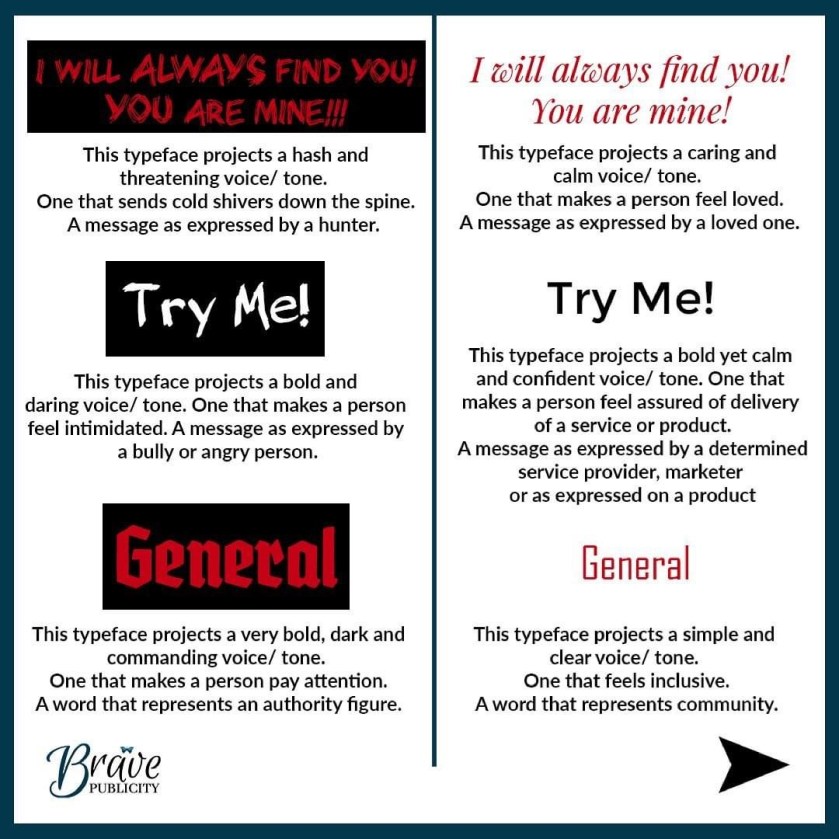
Sound gives meaning to a message and strengthens conversations. It is essential in establishing excellent or effective communication, when used appropriately. Sound in terms of the ‘Voice’ and ‘Tone’ of a message, whether spoken, written or conveyed via art or creativity.
The established tone or voice can ultimately determine the meaning of the message being conveyed. It could be deciphered as either compassionate, hostile, mild, suggestive, derogatory, exhilarating, cheerful, gloomy, heated, commanding, weak, strong, assertive, guarded and the list goes on.
Many people, institutions, nations or communities have been able to establish excellent or poor communication, hence developing amazing or terrible relationships as a result of the choice of voice and tone.
This is very critical factor, as interpretation of conversations are often made based on the perceived tone or voice by the conveyor of any message.
Also many great writers have gained mastery of this very important skill in the act of communication, artistically infusing the appropriate voice and tone with their words, creating excellent publications across a genre of books that have stood the test of time and have attracted great readership and rewards.
The ability to identify the appropriate tone or voice for use in various dialogue circumstances or deduce what is being received from others, ultimately helps one understand accurately any conversation. It also helps one identify improvement opportunities for effective communication in active discussions or feedback.
Cues
Cues are so essential in communication and they include verbal and non-verbal cues. These can be easily decrypted from time lapses and body language.
Time lapses, a pause in a conversation, verbal or written (a presence of silence for a period or a written symbol for a dialogue expressed in written words) is often indicative of something, usually an impression or meaning the conveyor wants one to decipher.
Such time lapses could mean disinterest, disregard, a plea for understanding and reconsideration, fear, anger, permission to hear out the other person or party, a gentle nudge towards reflection or appraisal, etc. regarding an already established dialogue or an on going conversation.
Time lapses are typically applied to strengthening an impression regarding information that has already been laid bare by a conveyor. That pause or silence often carries a weight and has meaning in an ongoing conversation.
In the same vein, the body language of a conveyor or the parties involved also expresses and strengthens the meaning of a message, often combined with or without voiced expressions.
The body language may express, pain, weariness, passion, anger, joy, excitement and a variety of emotions that eventually makes a conveyed message more accurately deciphered.
The entire context and content of such conversations enables one to identify differences and the real meaning that should be deduced from such a dialogue.
Actions
For effective communication, one of the most credible ways of deducing if a dialogue has reached a point of mutual understanding by both parties is by the actions that follow.
If the actions that follow are satisfactory and correspond with the resolutions and agreement by all parties or the conveyor of a message in a dialogue, then one can say that effective communication has been established. If not, what may ensue is a lot of friction and resistance.
Many times, individuals pay attention to only what is being said, without paying close attention to the actions that follow as well. In corporate environments as well as social circles, this plays out all the time. When one pays close attention to actions that follow any conversation, then one can understand accurately what is being communicated.
However, it is important to note that these four (4) highlighted features work in harmony and the application or interpretation of just one or some from an active discourse may lead to wrong conclusions regarding a message or due to poor communication.
But when all of these features are applied in sync, it helps in accuracy, clarity, mutual agreement and ultimately, effective communication.
I hope you found this article to be insightful and helpful. Thank you for reading.
Article by Opeolu Adeyemi. Corporate Communications and Public Relations Consultant Founder, Brave Publicity Ink!













 Brave Publicity Ink!